10 Best Hydraulic Drives for Global Buyers?
Hydraulic Drives remain essential where heavy loads, precise motion, and harsh conditions meet. A steel mill, excavator, or offshore winch can demand controlled force every second. Unlike electric-only systems, hydraulic drives convert pressurized fluid into compact, high-torque movement. That advantage still matters.
MarketsandMarkets reported that the global hydraulic equipment market could grow from about USD 44.6 billion in 2023 to USD 51.5 billion by 2028. Grand View Research also identifies construction, agriculture, and industrial machinery as major demand areas. These figures are useful, but they are not perfect. Definitions differ between reports, especially when pumps, motors, valves, and complete drive packages overlap.
“Hydraulic systems are power-dense, but they demand disciplined maintenance,” says Anthony Esposito, author of Fluid Power with Applications. His observation is practical. A small leak near a hot gearbox can become a costly failure. Buyers should examine pressure ratings, displacement, efficiency, noise, contamination tolerance, seal materials, and regional service support. Datasheets alone are not enough.
This guide reviews ten Hydraulic Drives for global buyers. The selection considers measurable performance and real operating conditions. It also weighs supplier documentation, spare-part access, warranty clarity, and compatibility with existing controls. Some products look outstanding on paper. Field results may differ. That is why independent testing, application trials, and lifecycle-cost checks remain necessary before purchase. The best drive is not always the most powerful. It is the one that delivers dependable motion, manageable maintenance, and suitable value in its actual environment.
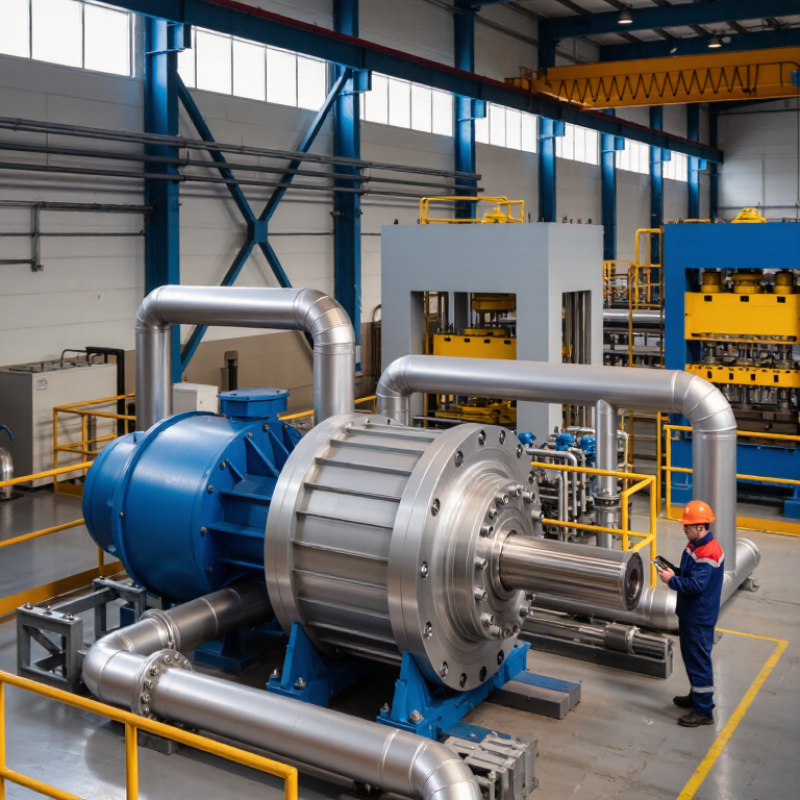
What Hydraulic Drives Are and How They Work
Hydraulic drives transmit power through pressurized fluid, usually oil, rather than direct mechanical contact. A pump converts engine or motor energy into fluid flow. Valves then control the oil’s direction, pressure, and speed. The fluid reaches an actuator, such as a hydraulic motor or cylinder. That actuator produces rotary or linear movement.
Pressure creates force. Flow controls movement speed. This distinction matters when choosing equipment for lifting, drilling, steering, or industrial production. A compact cylinder may lift a heavy platform, while a hydraulic motor can rotate a conveyor under changing loads. In real installations, heat, contamination, and leakage often reduce efficiency. Clean fluid is essential. Even a small particle can damage a precision valve. Field inspections should check hose connections, unusual noise, oil temperature, and slow actuator response. These signs may indicate wear, trapped air, or an incorrectly adjusted relief valve. Calculations help, but site conditions sometimes disagree.
Tips: Match pressure and flow ratings carefully. Use filtration suitable for the system’s operating environment. Keep hoses away from sharp edges and excessive heat. Test emergency stopping functions during commissioning. Record pressure and temperature readings over time. This creates useful evidence for maintenance decisions. Do not assume a larger pump always improves performance; it may increase heat, energy use, and component stress. A short trial under the real load can reveal problems that laboratory figures miss.
10 Best Hydraulic Drives for Global Buyers: Typical Continuous Pressure Capability
Hydraulic drives transmit power through pressurized fluid, enabling high force and precise speed control in compact systems. The chart compares representative typical continuous-pressure capabilities for common hydraulic drive configurations. Actual ratings depend on the circuit design, fluid, temperature, duty cycle, and manufacturer specifications.
Key Types of Hydraulic Drives for Industrial Applications
10 Best Hydraulic Drives for Global Buyers?
Key Types of Hydraulic Drives for Industrial Applications
Hydraulic drives convert pressurized fluid into controlled motion, but each type suits a different industrial task. Choosing well starts with load, duty cycle, speed range, and maintenance conditions.
Fixed-displacement pump and motor systems offer simple, dependable motion for conveyors, winches, and agricultural equipment. Variable-displacement axial piston drives provide efficient speed control under changing loads. Radial piston motors deliver high starting torque, making them useful in mixers and heavy lifting machinery. Orbital motors are compact and tolerate moderate operating pressures. They are practical, not magical.
Hydrostatic transmissions combine a variable pump with a hydraulic motor for smooth travel control. Closed-loop versions reduce fluid loss and support mobile machines. Electro-hydraulic proportional drives adjust flow through electrical signals, while servo drives deliver finer positioning for presses and machine tools. Compact cartridge systems help engineers save installation space. Gear pumps remain cost-effective for steady, less demanding applications. Selection errors happen.
During equipment reviews, I check pressure ratings, filtration, heat management, seal quality, and spare-part access. A drive that performs well in a clean factory may struggle near dust, water, or wide temperature changes. Buyers should compare continuous and peak torque, not peak figures alone. Clear service records and tested performance data improve purchasing confidence. A cheaper drive can become expensive when contamination shortens its working life.
How to Compare the Ten Best Hydraulic Drive Options
How to Compare the Ten Best Hydraulic Drive Options
Comparing hydraulic drives requires more than checking maximum pressure. In field evaluations, I examine pressure, flow rate, duty cycle, efficiency, noise, and control response. A drive rated for 250 bar may perform poorly if its working temperature stays high. Check performance at the actual load, not only laboratory conditions.
Review the technical datasheet carefully. Confirm displacement, speed range, starting torque, oil compatibility, filtration requirements, and expected service intervals. Installation space also matters. A compact drive may simplify mounting but limit cooling or maintenance access. Ask for test records, tolerance data, and documented operating limits. Independent verification improves confidence, although it can increase evaluation time.
Tips: Create a comparison table using the same conditions for all ten options. Record pressure, flow, temperature, sound level, response time, and energy use. Consider total ownership cost, including filters, seals, downtime, and technician labor. Noise matters. So does reliability. A spreadsheet can still mislead when test conditions differ. I have seen efficient units lose value because replacement parts were difficult to source. Recheck assumptions before selecting the final hydraulic drive.
Performance, Safety, and Maintenance Factors for Buyers
10 Best Hydraulic Drives for Global Buyers?
For global buyers, the best hydraulic drive is not always the most powerful option. Match motor size, operating pressure, speed, and duty cycle to the machine’s real workload. A drive that runs smoothly at 70% capacity often lasts longer than one working near its limit. Check cold-start behavior, noise levels, heat generation, and response time during testing. Small differences matter.
Safety requires more than a pressure rating. Confirm hose compatibility, relief-valve settings, guarding, emergency shutdown access, and leakage control. Installation should follow recognized engineering practices and local requirements. Ask for pressure-test records, material data, and clear maintenance instructions. Do not rely only on catalogue figures. Field conditions can be less forgiving.
Tips: Keep fluid clean and use the specified viscosity range. Inspect fittings for dampness, cracked seals, and unusual vibration. Record temperature and pressure readings during routine service. Replace filters before contamination becomes visible. A practical mistake is checking leaks only after performance drops. That is too late. Also, maintenance intervals may need adjustment in dusty, humid, or extremely cold environments. Buyers should leave room for uncertainty and verify assumptions with a qualified technician before final selection.