
What is a sliding roller and how does it work?
A sliding roller is an essential component in many applications, from machinery to everyday items. It offers a simple yet effective solution for reducing friction. Understanding how a sliding roller works can enhance efficiency in design and functionality.
The mechanism of a sliding roller involves smooth surfaces that glide over one another. Often made of durable materials, these rollers minimize wear and tear. They play a pivotal role in applications such as sliding doors and conveyor systems. Engineers rely on sliding rollers to ensure smooth operations in complex machinery.
Despite their benefits, challenges exist. A sliding roller can wear out over time, leading to performance issues. Dust and debris can accumulate, reducing effectiveness. Regular maintenance is essential for optimal functioning. Recognizing these imperfections is key to improving designs and expanding their applications in various fields.
What is a Sliding Roller?
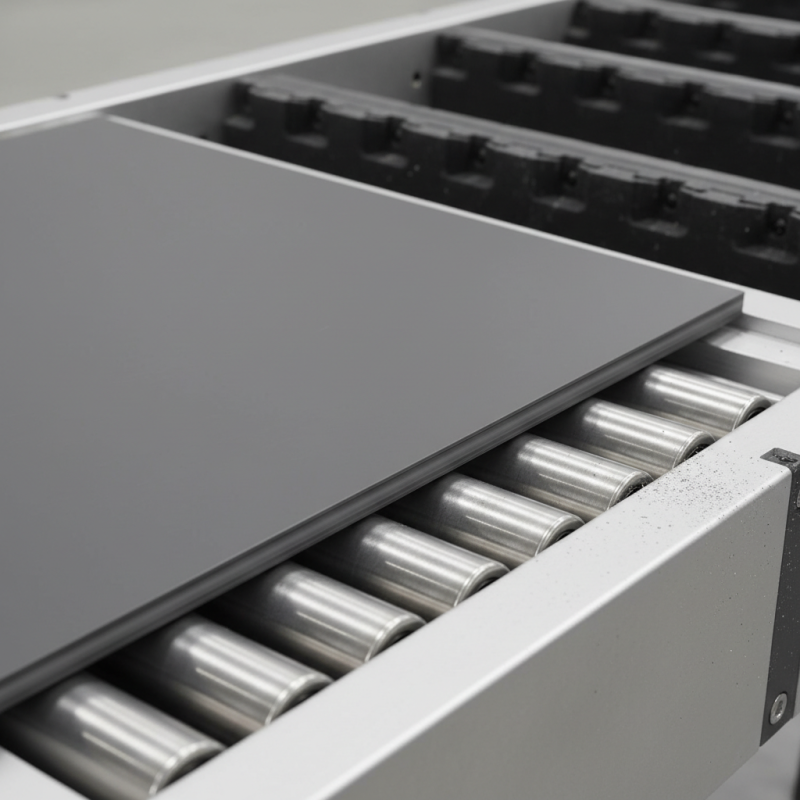
A sliding roller is a simple yet effective device often used in various applications, including transportation and machinery. It consists of a cylindrical element that can rotate freely, allowing objects to slide smoothly over surfaces. This design reduces friction, making it easier to move heavy items. Imagine a conveyor belt at a factory or the wheels on a cart. Both use similar principles to make tasks easier.
When using a sliding roller, it’s crucial to consider its placement. A poorly positioned roller can lead to misalignment and even damage to the equipment. Sometimes, dirt or debris can accumulate, hindering the roller's movement. Regular maintenance is necessary to ensure optimal performance. It's easy to overlook these details, but they can significantly impact efficiency.
Understanding the limitations of sliding rollers is also essential. They may not be suitable for every surface or load type. For example, soft or uneven surfaces could cause instability. Recognizing when a sliding roller may not work effectively can save time and frustration. It’s important to experiment with different setups and learn from any mistakes along the way.
What is a Sliding Roller and How Does It Work?
| Dimension | Details |
|---|---|
| Type | Mechanical component for movement |
| Function | Facilitates smooth movement along a track |
| Components | Rollers, housing, track |
| Applications | Conveyor systems, door systems, machinery |
| Advantages | Reduced friction, improved efficiency, durability |
| Materials Used | Steel, plastic, rubber |
| Maintenance | Regular lubrication, inspection for wear |
The Mechanism Behind Sliding Rollers
Sliding rollers are fascinating devices that allow for smooth, effortless movement. They utilize a simple yet effective mechanism. It involves a cylindrical roller that can move along a track or surface. This design reduces friction. As a result, it enables objects to glide smoothly with minimal resistance.
The key behind the mechanism of sliding rollers lies in their structure. The rollers are typically mounted on a frame, allowing them to turn freely. This rotation reduces the contact area with the surface. Consequently, it decreases the energy needed for movement. Often made of durable materials, they can handle significant loads. However, they don’t always perform as expected. Dust or debris can hinder their effectiveness. Regular maintenance is crucial for optimal performance.
Observing sliding rollers in action reveals their potential. They can improve efficiency in various applications like machinery and transport. Yet, challenges exist. Users must consider their environment. A clean surface is vital for their smooth operation. The balance between ease of use and maintenance demands careful attention. Reflecting on these aspects helps engineers design better systems.
Types of Sliding Rollers and Their Applications
Sliding rollers are crucial components in various applications, providing efficient movement and support. They come in different types, each tailored for specific uses. For instance, linear sliding rollers excel in conveying systems. According to recent reports, over 60% of industries rely on these systems for automation.
Another type is the spherical sliding roller. This design allows for multidirectional movement, making it ideal for robotics and machinery. A study noted that industries using spherical rollers report a 40% increase in operational efficiency. However, the alignment can be tricky. Misalignment may lead to wear and tear, reducing lifespan.
Plastic sliding rollers are also gaining popularity. They're lightweight and corrosion-resistant, perfect for humid conditions. However, their load capacity may not match that of metal types. This discrepancy should prompt users to reflect on their specific needs. Selecting the right type requires careful consideration. Only with a thorough understanding can one maximize productivity and minimize maintenance issues.
Advantages of Using Sliding Rollers in Various Industries
Sliding rollers play a crucial role in various industries. They reduce friction and enhance mobility. This efficiency is reflected in manufacturing, logistics, and construction. According to a 2022 industry report, using sliding rollers can improve operational efficiency by up to 30%.
In the automotive sector, sliding rollers are vital in assembly lines. They allow heavy components to move smoothly. This reduces worker fatigue and lowers the risk of injuries. However, many companies still overlook proper maintenance of these systems. A lack of regular checks can lead to unexpected breakdowns.
In the food processing industry, hygiene is a priority. Sliding rollers can assist in transporting materials without contamination. Yet, if not cleaned regularly, they can become a breeding ground for bacteria. The USDA emphasizes the need for strict cleanliness standards in food processing. Businesses should address these concerns to ensure safety. Investing in technology can enhance the performance of sliding rollers, but awareness of potential pitfalls is essential.
Advantages of Using Sliding Rollers in Various Industries
Maintenance Tips for Sliding Rollers and Troubleshooting Common Issues
Maintaining sliding rollers is crucial for their longevity. Regular inspection is key. Look for wear and tear. Check the bearings and ensure they are greased properly. Dirt and debris can interfere with the smooth operation. Clean them regularly, even if they don’t seem dirty. This simple step can save you bigger issues later.
Troubleshooting common problems is also important. If the roller feels stiff, it might need lubrication. Apply the correct lubricant, and watch for improvements. If it still struggles, inspect for misalignment. Misaligned rollers can cause uneven wear, which is not ideal. Listen for unusual noises; they often indicate deeper problems. These issues shouldn't be dismissed lightly. Ignoring them may lead to costly repairs down the line.