
What is Rotational Molding and its Benefits for Global Buyers?
Rotational Molding is a highly efficient manufacturing process used widely in various industries. It allows for the production of hollow, seamless plastic parts. According to a report by Industry Research, the global rotational molding market was valued at approximately $7 billion in 2022 and is expected to grow significantly in the coming years. The versatility of this method makes it appealing to buyers worldwide.
As noted by Dr. Jane Thompson, a leading expert in rotational molding, “This process not only reduces waste but also allows for complex shapes that are lightweight and durable.” This highlights the unique advantages that rotational molding offers. The ability to produce high-quality parts with minimal waste is a key benefit for industries focusing on sustainability.
However, challenges do exist. Issues with cycle times and design limitations can arise, requiring innovative approaches. Buyers should reflect on these concerns while considering their options. Balancing quality and efficiency is essential in today's competitive market. Understanding the nuances of rotational molding can lead to better purchasing decisions for global buyers.
Overview of Rotational Molding: Definition and Process
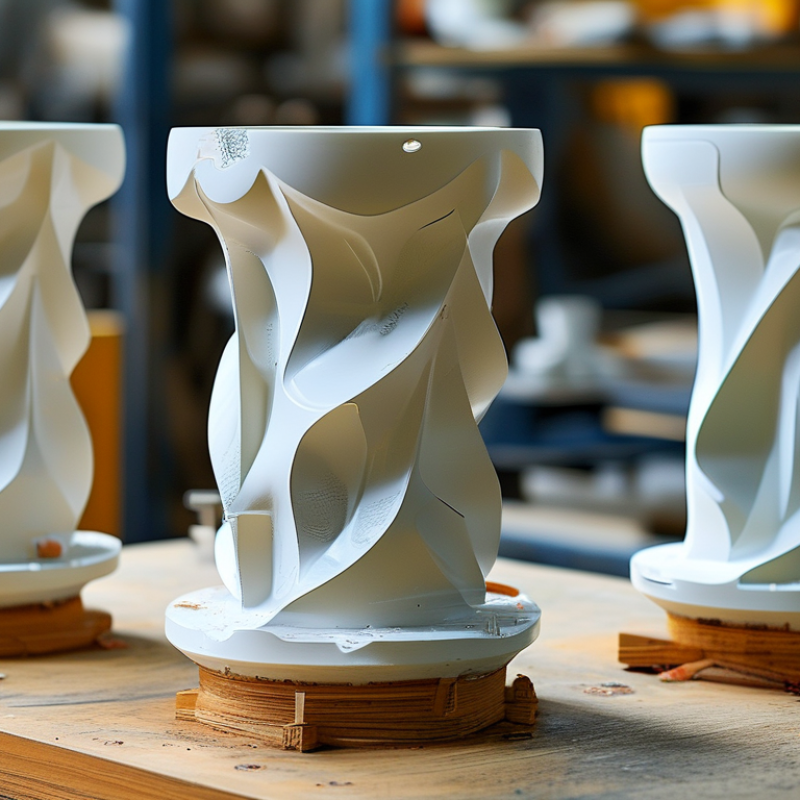
Rotational molding is a manufacturing process that creates hollow plastic products. It involves heating plastic powder in a mold, which is then rotated. This rotation ensures even distribution of the material, resulting in uniform wall thickness. The process is effective for producing large, lightweight parts.
One of the unique benefits of rotational molding is its ability to create complex shapes. This flexibility allows for innovative designs that may be challenging with other methods. Additionally, it uses less material compared to traditional injection molding. This can lead to cost savings and reduced waste.
Tips: Consider the weight and size of the final product. Sometimes, heavier items can lead to shipping challenges. Ensure the design meets functional requirements while still being visually appealing. Understand your market needs, as this plays a pivotal role in the success of the product.
Also, be mindful of the mold quality. Because the mold can be costly, a well-constructed mold can lead to better production outcomes. Always seek feedback on both product design and functionality, as this helps in refining your approach. Remember, every iteration is a chance for improvement.
Key Advantages of Rotational Molding for Manufacturers
Rotational molding is gaining traction among manufacturers for various reasons. One of its key advantages is cost-effectiveness. According to a report by MarketsandMarkets, the rotational molding market is expected to grow significantly, with a predicted CAGR of around 6.2% from 2021 to 2026. This growth reflects its increasing demand due to lower material waste and energy efficiency. Manufacturers can leverage this process to create complex shapes without excessive material loss, optimizing production costs.
Another advantage is design flexibility. This molding technique allows for a wide range of design possibilities. Complex geometries can be achieved with ease. In fact, the Society of Plastics Engineers notes that rotational molding is particularly beneficial for large items, like tanks and containers, where traditional methods may struggle. However, it’s crucial to remember that while this method excels in creating hollow parts, the initial tooling costs can be higher than other techniques. Manufacturers must weigh design needs against budget constraints.
Material versatility is also noteworthy. Rotational molding accommodates various polymers, including polyethylene and nylon. This versatility opens new avenues for product development. Despite its advantages, the learning curve can be steep. Optimizing the process requires technical knowledge and experience. Manufacturers should consider whether they have the necessary expertise, as this can impact efficiency and quality. Embracing rotational molding can certainly lead to innovation, but it requires careful planning and execution.
Comparison of Rotational Molding with Other Manufacturing Methods
Rotational molding stands out in the manufacturing landscape due to its unique advantages. Compared to injection molding, rotational molding allows for the creation of larger and more complex shapes with minimal waste. A 2022 industry report from Grand View Research notes that rotomolded products can achieve up to 40% lower material costs. This efficiency is especially appealing to global buyers seeking to optimize production.
When considering production methods, it's essential to evaluate material versatility. While blow molding primarily suits hollow parts, rotational molding offers greater design freedom for varied applications. As a result, industries ranging from automotive to consumer goods benefit. An extensive study by Mordor Intelligence indicates that the rotational molding market is expected to grow by 5.8% annually, reflecting increasing adoption worldwide.
**Tips:** When choosing a manufacturing method, consider both cost and design flexibility. Evaluate the intended use of the product. Testing prototypes early in the design phase can save time and resources. Stay informed about material innovations, as they can influence both performance and sustainability of your product.
What is Rotational Molding and its Benefits for Global Buyers? - Comparison of Rotational Molding with Other Manufacturing Methods
| Manufacturing Method | Material Compatibility | Production Volume | Cost Efficiency | Lead Time | Customization |
|---|---|---|---|---|---|
| Rotational Molding | Thermoplastics, Polyethylene | Low to Medium | High for Small Runs | Moderate | Highly Customizable |
| Injection Molding | Thermoplastics, Thermosets | High | Cost-Effective for Large Runs | Short | Limited Customization |
| Blow Molding | Polyethylene, Polypropylene | High | Cost-Effective for Large Volumes | Short | Moderate Customization |
| Thermoforming | Thermoplastics | Medium | Moderate Cost | Moderate | Moderate Customization |
Applications of Rotational Molding in Various Industries
Rotational molding is gaining traction across various industries due to its versatile applications. This process involves rotating a mold filled with a powdered plastic material. As it heats, the plastic melts and evenly coats the mold's interior, resulting in hollow, robust parts. This method is particularly effective for creating large items, ensuring uniform thickness and minimizing waste.
In the automotive industry, rotational molding produces components like gas tanks and bumpers. These parts benefit from the process's capacity for complex shapes and durability. The outdoor equipment sector also utilizes rotational molding for items such as kayaks and picnic tables, which require resilience against the elements. Additionally, the medical field relies on this technique for creating customized storage containers for medical supplies. Each application illustrates the adaptability and efficiency of rotational molding.
Yet, there are challenges. The initial mold creation can be costly and time-consuming. Some manufacturers might struggle with scale, as producing small batches can limit cost efficiency. Proper design and material choice are critical. These factors must be consistently evaluated to harness the full potential of rotational molding in diverse applications.
Considerations for Global Buyers when Choosing Rotational Molding
When considering rotational molding, global buyers must evaluate factors like material choices and production capabilities. The type of resin used directly impacts durability and flexibility. Buyers should understand the unique characteristics of each material, which can affect the final product's performance. For instance, at high temperatures, certain resins may not hold up well.
Another critical consideration is the supplier's manufacturing capabilities. Does the supplier have the necessary machinery for large-scale production? What are their lead times? Communication with potential partners is vital. Understanding their production limits helps set realistic expectations. Additionally, ask about their quality control processes. This ensures consistent, reliable products.
Buyers should also take logistics into account. Rotationally molded products can be bulky, leading to increased shipping costs. Look for suppliers who can optimize packaging and minimize these expenses. However, don’t overlook potential challenges. It's essential to evaluate potential pitfalls, especially with new suppliers. Always seek feedback from past clients to gauge reliability.