What is Plastic Injection Mold and How Does It Work?
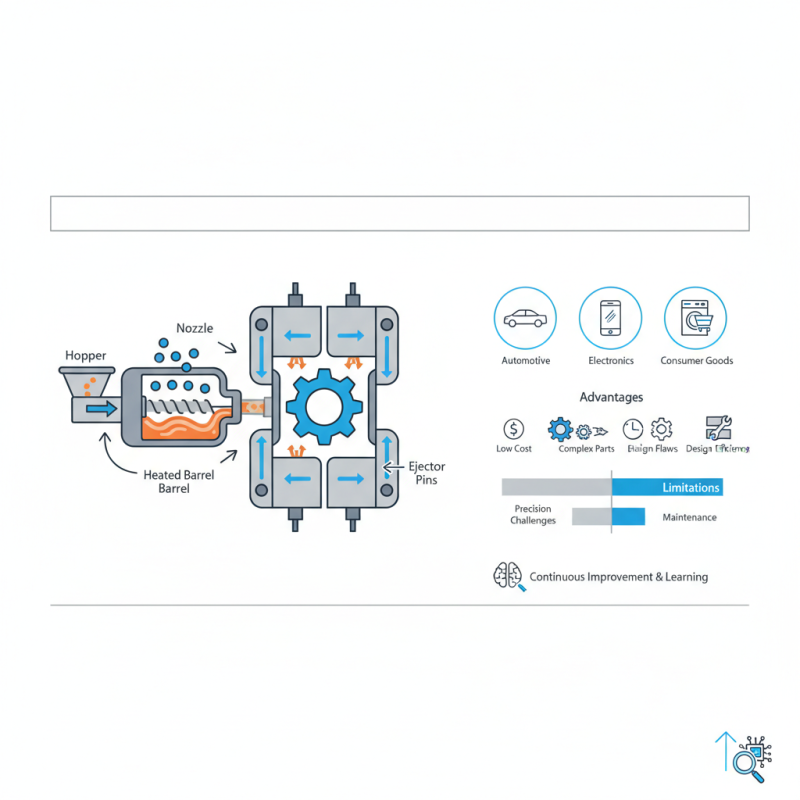
Plastic Injection Mold is a critical component in manufacturing. It allows for the creation of complex parts, often at low cost and high efficiency. This method utilizes a mold to shape molten plastic into desired forms. The process begins with heating plastic pellets until they melt.
Once heated, the liquid plastic is injected into a mold cavity. The mold is then cooled, solidifying the plastic into a specific shape. This technique is essential for various industries, including automotive, consumer goods, and electronics. However, it's important to recognize the limitations of Plastic Injection Mold.
Achieving precision and consistency can be challenging. Design flaws may lead to production issues. Additionally, maintenance of molds requires careful planning. Small errors can result in significant waste. As technology evolves, so must our understanding of this process. There remains a need for continuous improvement and learning within the field of plastic manufacturing.
What is Plastic Injection Molding?
Plastic injection molding is a manufacturing process used to create parts by injecting molten plastic into a mold. This method is efficient and versatile, used in various industries from automotive to consumer goods. According to industry reports, the global plastic injection molding market is expected to reach $350 billion by 2025. This rapid growth highlights the increasing reliance on this technology.
The process begins with heating plastic pellets until they melt. Once molten, the plastic is injected into a mold cavity under high pressure. Cooling follows, solidifying the plastic into the desired shape. This method allows for intricate designs and high production rates. However, challenges exist. Precision in mold design is crucial, as defects can lead to significant financial losses.
Tips: Choose the right material for your project. Different plastics offer varying strength, durability, and cost-effectiveness. Test prototypes to ensure optimal performance. Balancing quality with cost can be difficult. Rethink your approach if you encounter repeated errors or inefficiencies. Consider consulting with experts to enhance your process.
Key Components of Plastic Injection Molding Machines
Plastic injection molding is a complex process that utilizes several key components in its machinery. The injection unit is crucial, as it is responsible for melting plastic and injecting it into the mold. This unit contains a barrel, screw, and heater, which work together to transform solid plastic pellets into a molten state. The precise control of temperature is vital here; too hot, and the plastic degrades; too cool, and it won't flow properly.
Another significant component is the mold itself. The mold is typically made from steel or aluminum and comes in two halves. It shapes the molten plastic into the desired part. Designing a mold can be tricky. Often, manufacturers overlook venting issues, leading to air traps that can ruin a part. Once the plastic cools, the mold halves separate, and the finished product is ejected.
The clamping unit holds the mold securely during the injection process. It must exert enough force to withstand the high pressure of injected plastic. If not properly aligned, it can cause defects in the final piece. Each of these components plays a vital role, yet they require careful adjustment and maintenance to function effectively. A minor oversight can lead to production delays and increased costs.
Plastic Injection Mold Production by Material Type
The Injection Molding Process Explained Step-by-Step
The injection molding process is a key method in manufacturing plastic components. Understanding how it works can provide insights into efficiency and quality. The process begins with melting plastic pellets. This melted material is then injected into a mold under high pressure. Once cooled, the mold opens, and the solidified part is ejected. This method allows for intricate designs and high-volume production.
In 2021, the global injection molding market was valued at approximately $233 billion, reflecting its significance in various industries. The precision offered by injection molding is crucial for producing components in automotive and consumer goods sectors. However, achieving optimal results requires careful attention to detail. Small variations in temperature or pressure can lead to defects such as air bubbles or warping.
Tip: Regular maintenance of molds is vital. Neglecting this can lead to decreased quality and increased costs. Operators should also monitor the temperature closely. Even minor fluctuations can affect the final product. Additionally, learning from previous production runs can prevent repeating mistakes. Understanding past failures is essential for improvement. Aim for continuous refinement to maximize efficiency and minimize waste.
Common Applications and Benefits of Plastic Injection Molding
Plastic injection molding is a versatile manufacturing process. It creates complex plastic parts efficiently. The method works by injecting molten plastic into a mold. Once cooled, the mold is removed. This process produces high-quality components in bulk.
Common applications include automotive parts, electronic casings, and household goods. These items benefit from plastic's durability and lightweight nature. Businesses often choose this method for its speed and cost-effectiveness. It allows for intricate designs that may be impossible with other methods.
Tips: For optimal results, consider the mold design carefully. A well-designed mold can reduce production costs and time. Also, ensure that the plastic material aligns with your product’s requirements. Quality control is vital, too. Inspect molds and final products regularly to avoid defects. Sometimes, an overlooked detail can lead to significant setbacks.
Challenges and Innovations in Plastic Injection Molding Technology
Plastic injection molding is evolving rapidly. Innovations are crucial to meet increased demand for sustainable practices. Many industries face challenges like resin shortages and increasing production costs. According to a 2022 report by MarketsandMarkets, the global plastic injection molding market is expected to reach $370 billion by 2026. This growth drives the need for more efficient methods.
Organizations are exploring alternative materials. Bio-based plastics are gaining popularity. These are not only eco-friendly but can also reduce dependency on traditional resins. Challenges remain, though. Manufacturers often struggle with the consistency of bio-materials. Innovations in technology can improve processing methods, but the industry must adapt.
Automation is a double-edged sword. It offers speed and efficiency but may leave job roles vulnerable. A study by the International Federation of Robotics suggests that
3.5 million industrial robots may be in use by 2025. This highlights a critical gap in workforce training. It shows the importance of balancing technology and skilled labor for a truly sustainable future in plastic injection molding.