
2026 How to Optimize Aeration Process in Wastewater Treatment?
The Aeration Process In Wastewater Treatment is crucial for effective microbial degradation of organic matter. According to the Water Environment Federation, effective aeration can increase nutrient removal efficiency by up to 30%. However, many facilities struggle to optimize this process, often leading to excessive energy consumption. In fact, nearly 60% of a treatment plant's energy use can be attributed to aeration, illustrating the need for better strategies.
Recent studies indicate that advancements in aeration technology can significantly improve performance. Membrane aerated biofilm reactors, for example, show promise in achieving lower energy consumption while maintaining treatment standards. Despite these developments, many operators still face challenges in implementing these technologies. Underutilization of data analytics can hinder efficiency improvements and cost reductions.
Reflecting on current practices reveals the complexities involved. Not all facilities have access to state-of-the-art equipment or the expertise necessary for implementation. A gap in training and understanding of new aeration methods can stifle growth in treatment performance. As the industry moves forward, collaboration and knowledge-sharing will be essential to optimize the aeration process in wastewater treatment effectively.
Importance of Aeration in Wastewater Treatment Processes
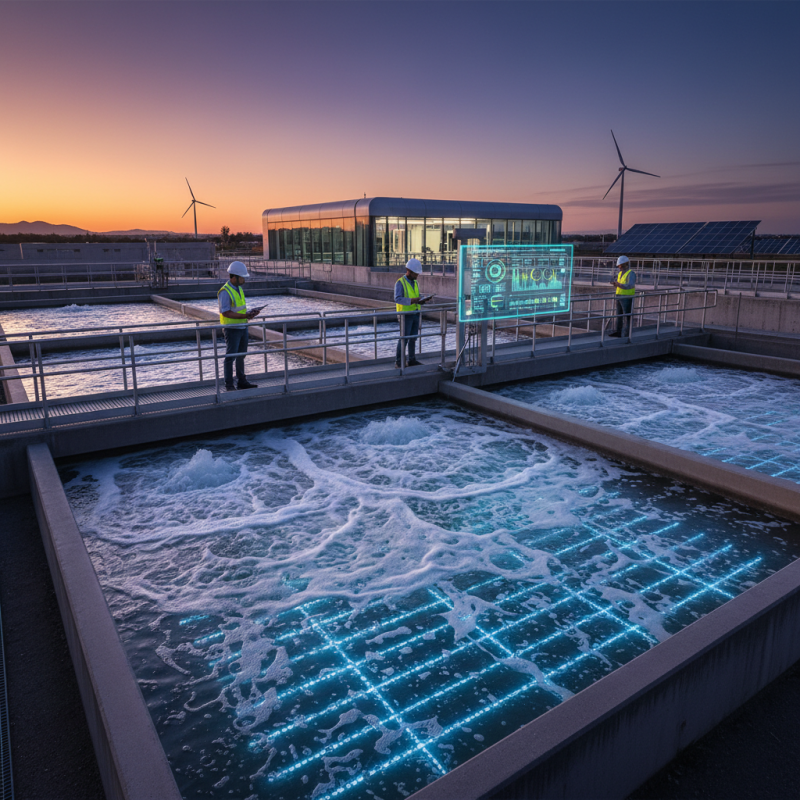
Aeration plays a crucial role in wastewater treatment processes. It enhances the biological degradation of pollutants. By introducing air into the water, aerobic bacteria thrive, breaking down harmful substances. This process improves water quality significantly, making it safer for the environment.
Regular assessment of the aeration system is essential. A poorly optimized aeration process can lead to inefficiencies. For example, excessive aeration can result in high energy costs. On the other hand, insufficient aeration might not cleanse the water adequately. Balancing energy consumption and treatment efficacy is vital.
**Tips for Optimization**
Monitor DO levels frequently. Low dissolved oxygen indicates inadequate aeration. Adjusting airflow can enhance bacterial activity. Implementing energy-efficient aeration equipment can also reduce operational costs. Regular maintenance checks can prevent system failures, ensuring optimal performance.
Types of Aeration Methods Used in Wastewater Treatment
Aeration is a crucial step in wastewater treatment. It helps reduce pollutants by increasing oxygen levels. There are several types of aeration methods used in this process. Each has its own advantages and limitations, depending on specific treatment needs.
One common method is the mechanical aerator. This device utilizes blades or paddles to mix air with the water. It is effective but can be energy-intensive. Another approach is the use of fine bubble diffusers. These devices release tiny bubbles, enhancing oxygen transfer efficiency. They work well in deeper tanks but may require more maintenance.
Additionally, surface aerators are employed. They operate by drawing in air from the surface. While they can be capital-efficient, they may also lead to odor issues. Reflecting on these methods reveals the importance of selecting the right aeration type. Balancing efficiency and cost is often challenging. Each method can improve treatment but may also present obstacles that require careful consideration.
2026 Aeration Process Optimization in Wastewater Treatment
Factors Affecting Aeration Efficiency in Treatment Systems
Optimizing the aeration process in wastewater treatment is crucial for efficiency. Several factors influence aeration efficiency in treatment systems. One major factor is the design of the aeration tank. A well-designed tank allows for better oxygen transfer, which is essential for microbial activity. According to a study from the Water Environment Federation, optimizing tank shape and depth can lead to a 15% increase in oxygen transfer rates.
Another critical factor is the type of aeration technology used. Fine bubble diffusers are often more effective than coarse ones. They provide a larger surface area for oxygen transfer. In fact, the American Society of Civil Engineers suggests that using fine bubble diffusers can enhance energy efficiency by up to 30%. This technology reduces energy consumption while maintaining treatment quality.
Tip: Regular maintenance of aeration systems is key to sustaining efficiency. Check for clogging and wear in your diffusers.
Water temperature also affects aeration efficiency. Warmer water holds less dissolved oxygen, impacting microbial health. A report by the Environmental Protection Agency states that maintaining optimal temperatures can improve aeration performance. Understanding these factors is essential. It involves assessing the specific characteristics of your wastewater and adapting your systems accordingly.
Tip: Monitor water quality parameters frequently. This ensures that treatment processes are on track.
Techniques to Optimize Aeration for Enhanced Performance
Aeration is crucial for effective wastewater treatment. Optimizing this process enhances microbial activity and improves overall system performance. One key technique is fine bubble aeration. Fine bubbles increase the surface area for oxygen transfer, allowing more efficient gas exchange. This can significantly reduce energy consumption while improving treatment rates.
Regular monitoring of dissolved oxygen levels is another technique to consider. Maintaining optimal levels can prevent over-aeration, which often leads to energy waste. It's essential to adjust aeration rates based on real-time data. Many facilities overlook this aspect, leading to suboptimal performance.
Implementing automation controls can further optimize the aeration process. Smart systems can adjust aeration in response to changing water quality. However, relying too heavily on technology might create vulnerabilities. Continuous staff training on these systems is essential. Balancing tech use with human oversight ensures reliability and efficiency in wastewater treatment.
Monitoring and Maintaining Aeration Systems for Optimal Results
Monitoring aeration systems is crucial for wastewater treatment efficiency. Accurate measurement of dissolved oxygen levels is vital. It ensures that aerobic microorganisms thrive. Regular data collection helps identify issues early. This proactive approach can save costs and enhance system performance.
Maintaining aeration equipment requires a vigilant mindset. Routine inspections can reveal wear and tear. It's not uncommon for aerators to malfunction. Clogged diffusers and blocked air lines can lead to inadequate aeration. Addressing these problems contributes to optimal treatment outcomes. Real-time analytics can be invaluable, highlighting potential failures before they escalate.
Training staff on maintenance protocols is equally important. Knowledgeable personnel can troubleshoot effectively. Continuous education fosters a deeper understanding of system dynamics. However, reliance on technology without human insight can lead to oversights. Balancing both aspects is essential for sustainable operations. The aeration process offers many opportunities for optimization, but it demands attention and diligence.
2026 How to Optimize Aeration Process in Wastewater Treatment? - Monitoring and Maintaining Aeration Systems for Optimal Results
| Parameter | Optimal Value | Measurement Frequency | Comments |
|---|---|---|---|
| Dissolved Oxygen (DO) | 2-4 mg/L | Hourly | Optimal for aerobic bacteria activity. |
| pH Level | 6.5-8.5 | Daily | Maintains microbial activity. |
| Aeration Rate (ml O2/min) | 200-400 | Weekly | Critical for oxygen transfer efficiency. |
| Mixed Liquor Suspended Solids (MLSS) | 2000-4000 mg/L | Twice a week | Indicates biomass concentration. |
| Temperature | 15-30°C | Daily | Affects microbial metabolism. |