

How to Choose the Best Heavy Duty Slurry Pump for Your Needs?
Choosing the right heavy duty slurry pump can greatly impact your operations. Different industries rely on these pumps for diverse applications. Understanding your specific needs is crucial for making an informed choice.
heavy duty slurry pumps handle abrasive materials and high viscosity fluids. They are essential in mining, construction, and wastewater treatment. Each application has unique demands, from flow rate to the type of materials being pumped. It’s also vital to consider factors like efficiency and durability.
While many options exist, selecting the best heavy duty slurry pump requires careful thought. Not all pumps perform equally. Some may fall short in harsh conditions or specific tasks. Analyzing your requirements and reflecting on past experiences can guide you in this decision-making process.
Understanding Heavy Duty Slurry Pumps: Key Features and Specifications
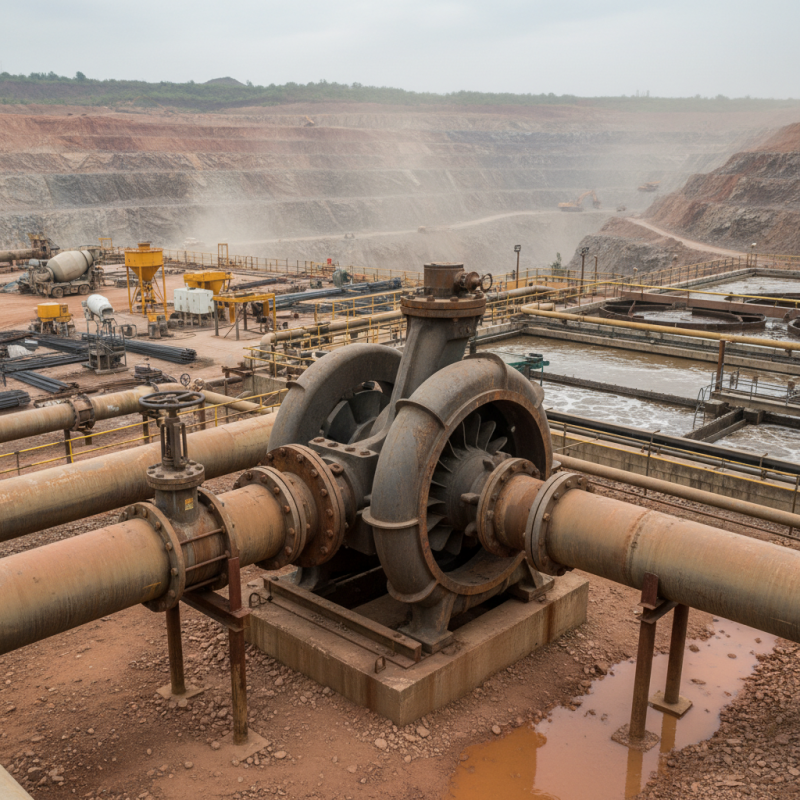
When choosing a heavy-duty slurry pump, understanding its key features is essential. These pumps are designed to handle abrasive slurries effectively. The material of construction is one critical specification. Look for pumps made of high-quality materials that resist wear. Cast iron and chrome alloys are common choices. The pump's impeller design also matters. Open impellers are great for large solids, while closed designs provide better efficiency.
Tip: Inspect the pump’s performance curve. It shows the flow rate and head pressure, helping you match the pump to your application. Consider the pump's horsepower rating. Ensure it can handle the maximum flow requirements without strain.
Another key feature is the pump type. Centrifugal pumps are popular for their efficiency. However, peristaltic pumps might be better for delicate materials. Understand the viscosity of your slurry; it impacts pump selection. The size of the inlet and outlet connections should also match your piping system.
Tip: Assess the ease of maintenance. A pump that is hard to service can lead to downtime. Check for access points for routine inspection and wear part replacement. Think about how the pump fits into your existing setup. If space is tight, compact designs could be advantageous.
Identifying Your Pumping Needs: Flow Rate, Head, and Slurry Characteristics
When selecting a heavy-duty slurry pump, understanding your pumping needs is crucial. Flow rate is often the first consideration. Typically, flow rates can range from 10 to 10,000 gallons per minute. This varies based on the application. Assess whether you need high flow for efficient material movement or lower flow for precision tasks. Industry reports indicate that an inappropriate flow rate can lead to inefficiencies and increased wear on pumps.
Next is the head, or the height to which the pump can effectively move the slurry. Many applications demand a head of 30 to 50 feet. Ensure your pump can handle this requirement. Inadequate head can cause cavitation, leading to pump failure. Pay attention to system pressure, as higher pressures may limit performance.
Finally, consider slurry characteristics. Slurries can vary significantly in viscosity, density, and particle size. The right pump must accommodate these factors. A report from the American Society of Mechanical Engineers (ASME) suggests that specific slurry types need tailored designs for optimal performance. Failing to match pump capabilities with slurry characteristics can result in frequent maintenance or failures. Understanding these details helps in making a more informed choice.
How to Choose the Best Heavy Duty Slurry Pump for Your Needs?
| Dimension | Description |
|---|---|
| Flow Rate | Measured in cubic meters per hour (m³/h), flow rate indicates how much slurry the pump can handle. |
| Head | The vertical distance the pump must move the slurry, measured in meters; it affects pump selection based on height requirements. |
| Slurry Characteristics | Includes the type of solids present, concentration, viscosity, temperature, and corrosiveness of the slurry. |
| Pump Material | Material choice should consider the slurry’s abrasiveness and chemical composition to ensure durability and efficiency. |
| Power Source | Options include electric, diesel, or hydraulic motors; selection should be based on energy availability and operational needs. |
| Maintenance Requirements | Consider how often the pump requires maintenance, availability of replacement parts, and ease of servicing. |
| Operating Environment | Assess the conditions such as temperature extremes, exposure to chemicals, and potential for physical damage. |
Evaluating Material and Construction for Durability and Efficiency
When selecting a heavy-duty slurry pump, evaluating the materials and construction is vital for ensuring its durability and efficiency. The pump’s casing, impeller, and wear components should be made from high-quality materials such as stainless steel, cast iron, or special alloys. These materials withstand abrasive and corrosive substances. According to a report by the Hydraulic Institute, using high-quality materials can increase the lifespan of slurry pumps by up to 30%.
Additionally, attention to design and engineering plays a crucial role. Efficient pump designs reduce wear and tear. A pump with inadequate flow paths or low-quality seals can diminish performance and increase maintenance costs. A report by the American Pump Manufacturers Association highlights that poor construction can lead to a 20% decrease in efficiency. Such inefficiencies not only waste energy but can also lead to frequent repairs.
It is essential to consider specific applications. Not all materials suit every slurry type. Certain slurries may require specialized material formulations. This can result in trade-offs, balancing the immediate cost with long-term savings. Choosing the right material can influence operational reliability. Selecting a suboptimal construction can incur significant costs over time. Sometimes what appears effective in initial estimates may not yield tangible benefits in daily use.
Comparing Different Types of Heavy Duty Slurry Pumps Available on the Market
When selecting a heavy-duty slurry pump, understanding the different types available is crucial. Slurry pumps are categorized based on their construction materials, design, and operational characteristics. For instance, some pumps use high chrome alloy, making them resistant to abrasive materials. Others utilize rubber linings, which provide excellent wear resistance but may have lower lifespan in extreme conditions. A recent industry report indicates that performance can vary significantly based on the pump's design.
Vertical and horizontal slurry pumps serve different purposes. Vertical pumps are preferable in applications with limited space. They handle large solids well, making them ideal for mining operations. Conversely, horizontal pumps are often used in industrial processes where higher flow rates are required. According to data from industry analysis, over 60% of heavy-duty slurry pump users reported improved efficiency when selecting the right type for their application.
However, some challenges persist. Users frequently underestimate the importance of pump selection. A mismatch between the pump type and application can lead to operational issues. Pump maintenance also plays a significant role. Neglecting routine checks can decrease performance and increase costs. Understanding the intricacies of each pump type is vital for optimal outcomes.
Maintenance Tips for Ensuring Optimal Performance of Your Slurry Pump
Maintaining a heavy-duty slurry pump requires regular attention to detail. Check the pump's seals and gaskets frequently. Worn seals can lead to leaks and efficiency drops. Pay attention to any unusual noises that indicate friction or wear. These early warnings can prevent costly breakdowns.
Routine inspections are essential. Examine the impeller for wear and tear. A damaged impeller can affect the flow rate. Replace it promptly to maintain performance. Keep an eye on the bearings, too, as they tend to fail due to dust and debris accumulation. Cleaning the surrounding area can prevent this.
Flushing the pump can be beneficial. It removes accumulated sludge and solids, improving lifespan. Ensure the cooling systems are functioning properly. Overheating can damage the pump. Lastly, document your maintenance activities. This can help identify recurring issues, revealing patterns that require your attention. Recognizing these patterns can streamline future maintenance efforts.