


Best Materials for Restroom Stall Walls in Commercial Spaces?
In commercial spaces, choosing the right materials for Restroom Stall Walls is crucial. Reports show that restroom hygiene significantly impacts customer satisfaction. A study indicated that 70% of patrons assess cleanliness before using facilities. This makes the choice of materials a vital decision for business owners.
Restroom stall walls are subject to heavy use and need to withstand daily wear. Options like HDPE and fiberglass are popular for their durability and resistance to moisture. However, some businesses still opt for traditional materials, risking quicker degradation and increased costs. Different materials serve various needs, highlighting the importance of careful selection.
Not all materials are perfect. Some may be more expensive upfront but prove cost-effective in the long run. Others may meet aesthetic requirements but lack in durability. Evaluating these trade-offs is essential for creating a positive restroom environment and a satisfactory experience for users.
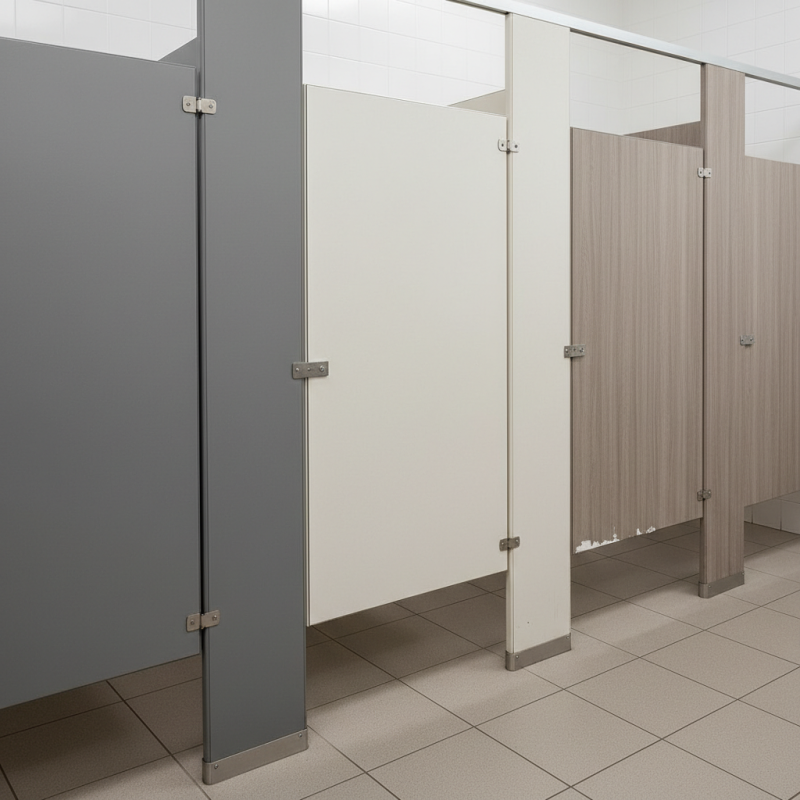
Factors to Consider When Choosing Restroom Stall Wall Materials
Choosing the right restroom stall wall materials for commercial spaces involves several critical factors. Durability ranks high on the list. Walls must withstand heavy use and the occasional rough treatment. Consider materials like stainless steel or solid plastic for their robust nature. They resist dents and scratches, making them ideal for busy environments. Lightweight options may save costs, but they can wear down quickly.
Maintenance is another key aspect. Materials that are easy to clean are preferable. Surfaces should resist stains and odors. Non-porous options help minimize hygiene concerns. While aesthetic appeal matters, practicality takes precedence. The wrong choice can lead to frequent repairs and replacements, which are costly.
Lastly, think about the environment. Sustainable materials are becoming essential in modern design. Recycled options may be available, which not only save resources but also align with green initiatives. Although they may come with a higher upfront cost, the long-term benefits often outweigh these initial expenses. Balancing all these factors can be challenging, but it is crucial for creating effective and appealing restroom spaces.
Common Materials Used for Commercial Restroom Stall Walls: A Comparative Study
When designing commercial restroom stalls, material choice is crucial. Various options exist, each with specific pros and cons. Common materials include stainless steel, plastic laminate, and solid phenolic.
Stainless steel offers durability and hygiene. It's resistant to rust and easy to clean. However, it's prone to scratches. These minor imperfections can impact the overall look.
Plastic laminate is another popular choice. It comes in various colors and patterns. It’s lightweight and affordable. Yet, it is less durable than steel. Damage such as chips can be noticeable.
Solid phenolic stands out for its strength and resistance to moisture. It provides a sleek look, making it suitable for high-end spaces. But, it can be more expensive.
**Tip:** Consider heavy-use areas. Choose materials that withstand wear and tear. A balance of aesthetics and functionality is key.
**Tip:** Keep maintenance in mind. Some materials are easier to clean and repair. This can save time and money in the long run.
**Tip:** Think about the overall design. Color and pattern can affect mood and space perception. Make choices that reflect the brand's personality.
Best Materials for Restroom Stall Walls in Commercial Spaces
| Material Type | Durability | Cost per Unit | Maintenance Requirements | Water Resistance |
|---|---|---|---|---|
| Polypropylene | High | $80-$100 | Low | Excellent |
| Stainless Steel | Very High | $150-$200 | Moderate | Good |
| Phenolic | High | $100-$150 | Low | Excellent |
| Wood Core with Laminate | Moderate | $60-$90 | High | Fair |
| Acrylic | Moderate | $70-$120 | Low | Good |
Durability and Maintenance: Evaluating Different Stall Wall Options
Choosing the right materials for restroom stall walls can be daunting. Durability is a primary concern. Materials like laminated particleboard and stainless steel often offer good resistance to dents and scratches. However, they can be heavy and require careful installation. Lightweight options like high-density polyethylene (HDPE) are gaining popularity. They resist moisture and don’t rust.
Maintenance should also be a key factor in decision-making. Some materials are easy to clean but may show wear over time. Phenolic resin is tough, yet it can be challenging to repair if damaged. Regular inspections can help catch issues early but add to labor costs.
Think about aesthetics, too. While functionality matters, the look of restroom stalls shouldn’t be overlooked. Color and finish can impact the overall ambiance. Poor choices might need redoing, wasting resources. It's essential to weigh these factors, ensuring a balance between durability, maintenance, and appearance.
Cost Analysis: Budgeting for Restroom Stall Wall Materials
When budgeting for restroom stall wall materials, cost is a major consideration. A report from the American Institute of Architects reveals that wall partitions typically range from $40 to $150 per linear foot, depending on material choices. For example, metal panels might be more durable but can drive costs upward. Conversely, plastic laminate options offer affordability but require more frequent replacements, making long-term budgeting tricky.
Additionally, installation costs can significantly affect overall expenses. Industry data shows that labor can account for up to 30% of the total project cost. This leads to the need for effective planning and perhaps simpler designs that require less labor. Often, the first choice might seem the best, but frequent repairs and replacements could undermine initial savings, forcing a reevaluation of choices. Balancing quality and cost is crucial, especially in high-traffic commercial spaces where usage demands higher-grade materials.
Cost Analysis of Restroom Stall Wall Materials
Sustainability Trends in Restroom Stall Wall Material Selections
Sustainability is a growing concern in restroom stall wall material selections. Many commercial spaces are now focusing on eco-friendly options. According to industry reports, over 70% of facility managers prioritize sustainable materials in their renovations. This shift is vital for reducing environmental impact and enhancing user experience.
Recycled materials are gaining popularity. Products made from post-consumer recycled content are now widely available. For instance, composite materials often blend recycled plastics with natural fibers. This not only reduces waste but also offers durability. However, some recycled materials may not perform well in high-traffic areas. It's important to assess long-term durability alongside sustainability.
Tip: Always consider the maintenance needs of sustainable materials. Some require special cleaning procedures. Using the wrong methods can lead to damage. Another option is bamboo. This rapidly renewable resource is not just trendy; it's strong and water-resistant. Yet, users must ensure ethical sourcing. Misleading claims in sustainability can occur.
Selecting sustainable restroom stall materials is no small task. Balancing performance with eco-consciousness takes careful planning. As trends evolve, continual education on material options is essential. This helps make informed decisions that align with both sustainability goals and practical needs.